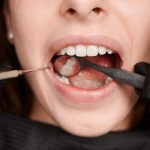

Fluoride has become essential to modern dental care, particularly in preventing cavities (tooth decay). It’s a mineral commonly used in various dental treatments, from everyday products like toothpaste to professional applications at the dentist’s office. Fluoride is recognized for its ability to strengthen teeth and protect them from decay, making it a vital component of oral health. In this blog, we’ll dive into how fluoride is used in dentistry, how it works to prevent cavities, and why it’s essential for both children and adults.
What is Fluoride?
Fluoride is a naturally occurring mineral commonly added to dental products to help prevent cavities. It strengthens tooth enamel, the outer layer of teeth that protects the inner, more sensitive parts of the tooth. This protective function is why fluoride has become a key ingredient in toothpaste, mouth rinses, and professional treatments provided by dentists.
When you use fluoride-based dental products or receive fluoride treatments, you’re providing your teeth with the necessary defence against decay, especially in the areas where brushing and flossing may not be as effective.
How Fluoride Prevents Cavities
Cavities form when bacteria in the mouth feed on sugars and carbohydrates, producing acids that attack tooth enamel. Over time, repeated exposure to these acids can lead to enamel demineralization, weakening it and causing cavities to form.
Fluoride helps combat this process in a few crucial ways:
1. Strengthening Tooth Enamel
The primary role of fluoride in dentistry is to strengthen tooth enamel. When acids in the mouth break down enamel, fluoride helps reverse this process by supporting remineralization. Remineralization occurs when minerals like calcium and phosphate are redeposited into enamel softened by acid. Fluoride enhances this process by assisting these minerals bond more effectively to the enamel, making it harder and more resistant to future acid attacks.
Over time, this results in stronger teeth less prone to cavities.
2. Inhibiting Bacterial Activity
Fluoride doesn’t just strengthen enamel; it also helps to disrupt the activity of harmful bacteria in the mouth. Specifically, it interferes with bacteria’s ability to produce acid. When bacteria metabolize sugars, they release acids that erode enamel. Fluoride helps reduce the production of this acid, lowering the risk of enamel demineralization and cavity formation.
3. Preventing Early Stage Decay
Small, white spots may appear on the enamel in the early stages of tooth decay, indicating the beginning of demineralization. This damage can be reversed before a cavity fully forms if caught early enough. Fluoride can play a vital role in this process by promoting the remineralization of these weakened areas, effectively stopping decay in its tracks.
Forms of Fluoride Used in Dentistry
Fluoride is incorporated into dental care in several ways. The application method can range from products you use daily at home to treatments offered at your dentist’s office. Here’s a closer look at the different forms of fluoride used in dentistry:
1. Fluoride Toothpaste
Brushing with fluoride toothpaste is the most common and convenient way to protect your teeth against cavities. Most toothpaste available today contains fluoride, and brushing your teeth twice daily ensures that fluoride is applied directly to your enamel. This routine use of fluoride helps continuously strengthen your teeth and keep them resistant to decay.
2. Fluoride Mouth Rinses
Fluoride mouth rinses provide an extra layer of protection, especially for individuals who are more prone to cavities. These rinses contain a lower concentration of fluoride than professional treatments, but they help maintain a steady level of fluoride in the mouth. Fluoride rinses are easy to incorporate into your daily routine, protecting your teeth.
3. Professional Fluoride Treatments
Dentists often recommend professional fluoride treatments for individuals at higher risk of cavities, such as children or adults with weakened enamel. These treatments involve applying a high-concentration fluoride solution directly to the teeth through gels, foams, or varnishes. The fluoride used in these treatments is much stronger than what you would find in over-the-counter products.
These treatments are typically administered during routine dental visits and offer long-lasting protection. After the treatment, the fluoride absorbs into the enamel, strengthening it and making it more resistant to future decay.
4. Fluoride Varnishes
Fluoride varnishes are a popular professional treatment applied directly to the surface of the teeth. They adhere to the enamel for several hours, allowing the fluoride to penetrate deeply and provide a concentrated dose of protection. Varnishes are often recommended for children but are beneficial for adults, particularly those with a history of cavities or weakened enamel.
Fluoride and Pediatric Dentistry
Fluoride is especially important in pediatric dentistry, as children are more susceptible to cavities than adults. Fluoride treatments and products help strengthen their developing teeth and offer protection against decay. Many pediatric dentists recommend fluoride varnishes or gels during routine checkups, especially for children who have not yet mastered proper brushing and flossing techniques.
As children grow, fluoride helps ensure their permanent teeth develop strong enamel. This early intervention can lead to healthier teeth in adulthood, reducing the likelihood of cavities later in life.
Fluoride for Adults
Adults also benefit significantly from fluoride. Even though enamel hardens fully during childhood, it continues to be exposed to acids and wear throughout life. Fluoride use helps protect against this ongoing damage. In particular, adults prone to cavities, those who suffer from dry mouth, or those who wear braces can benefit from professional fluoride treatments to bolster their enamel.
Older adults may also experience a natural weakening of enamel over time, making fluoride treatments critical to maintaining dental health as they age.
Fluoride Safety in Dentistry
Fluoride has been extensively studied and is widely considered safe when used correctly. Fluoride concentrations in dental products are regulated to ensure safety while providing adequate protection against cavities. Most individuals who use fluoride-based toothpaste and mouth rinses and receive professional treatments will benefit without any significant risks.
It is important to use fluoride products as directed, especially for young children, to avoid excessive fluoride ingestion. Dental professionals carefully monitor the amount of fluoride administered during treatments, ensuring a safe and beneficial level of protection.
Keep Your Teeth Healthy and Clean With Regular Appointments
Fluoride remains one of the most effective tools available in modern dentistry for preventing cavities. Its ability to strengthen enamel, prevent early-stage decay, and reduce bacterial activity makes it a vital part of any dental care routine. Whether you’re using fluoride toothpaste at home or receiving professional treatments at the dentist, fluoride plays an essential role in keeping your teeth healthy and cavity-free.
At Guilford Family Dentistry, we encourage patients to make fluoride a central part of their dental care, especially for children and those at higher risk for cavities. If you’d like to learn more about fluoride treatments or want to schedule your next checkup, contact us today. Our team is dedicated to helping you achieve and maintain a bright, healthy smile for life!