Getting a fluoride treatment is one of the smartest moves you can make for your oral health. It strengthens your enamel and helps fight off cavities before they start. If you have recently visited a dentist in Surrey, BC, you know that the process is quick and painless. However, the work doesn’t end when you leave the dental chair. To ensure fluoride soaks into your teeth properly, follow a few simple rules.
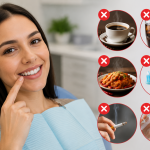
Understanding fluoride treatment restrictions is the best way to protect your investment. Fluoride needs time to bond with your tooth enamel. If you eat or drink the wrong things too soon, you might wash away the minerals before they can do their job.
Immediate Steps: The First 30 Minutes
The first half-hour after your appointment is the most critical time. Your teeth are busy absorbing the treatment, so you need to be extra careful.
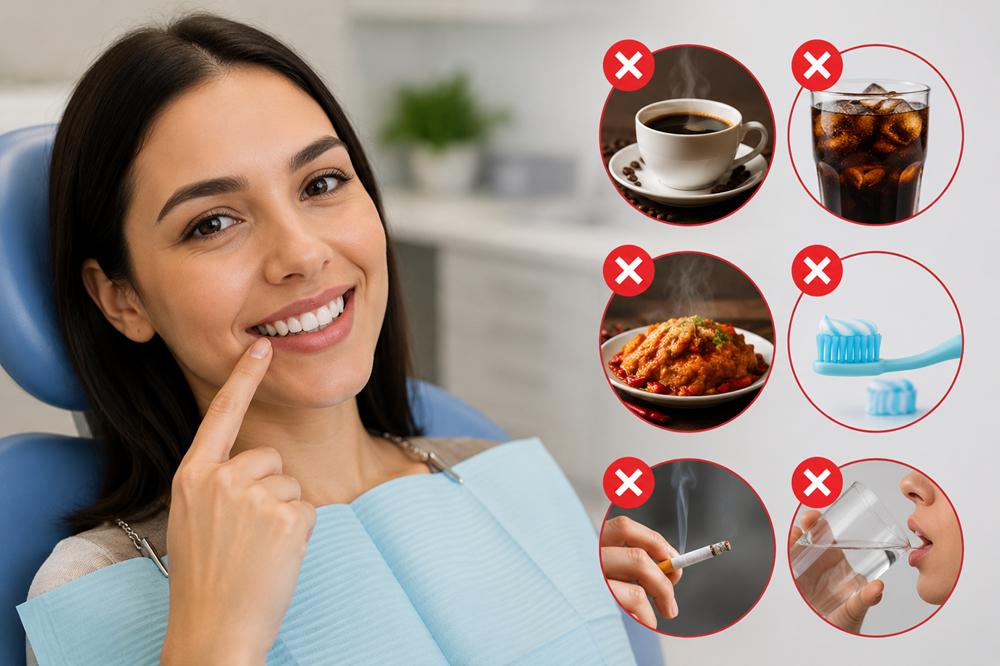
- Avoid eating anything: Even a small snack can rub the fluoride off your teeth.
- Do not drink liquids, including water. Let the treatment sit undisturbed.
- Avoid rinsing: It might be tempting to rinse your mouth, but resist the urge.
- Do not brush or floss: Give the fluoride a head start before you clean your teeth.
What To Avoid Eating And Drinking
Once the initial 30 minutes have passed, you can usually have a drink or a snack. However, you should still be picky about what you consume for the rest of the day. Choosing a dental clinic near you that provides clear aftercare instructions is helpful, but here is a general guide on what to skip.
- Crunchy and Hard Foods: Items like chips, nuts, or raw carrots can scrape the fluoride film off your teeth.
- Acidic Drinks: Soda, orange juice, and sports drinks contain acids that can interfere with the fluoride’s ability to strengthen your enamel.
- Hot Beverages: Very hot coffee or tea can sometimes cause the fluoride varnish to melt prematurely.
- Sticky Foods: Candies, gum, or even thick peanut butter can pull the treatment away from the tooth surface.
Food and Drink Reference Chart
| Category | What to Avoid | Better Alternatives |
| Snacks | Pretzels, popcorn, seeds | Yogurt, applesauce, bananas |
| Meals | Steak, crusty bread | Mashed potatoes, pasta, soup |
| Drinks | Lemonade, coffee, soda | Lukewarm water, milk |
Why These Rules Matter
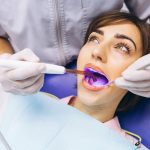
Why are these steps so important? When you get a fluoride treatment near you, the dentist applies a highly concentrated form of fluoride. This isn’t like the small amount found in your toothpaste. It is designed to create a shield. If you disrupt this shield early, you lose the treatment’s benefits. By following these guidelines, you ensure your teeth stay strong and resistant to decay for months to come.
Brushing And Flossing Later On
Most dentists recommend waiting at least 4 to 6 hours before brushing or flossing. Some even suggest waiting until the next morning. When you do finally brush, use a soft-bristled brush and be gentle. You might notice your teeth feel a bit “sticky” or “fuzzy” due to the varnish; this is completely normal and will go away once you brush.
Conclusion
Keeping your smile bright and healthy requires a mix of professional care and good home care. By following these simple post-treatment tips, you are giving your teeth the best defence against cavities. Ready to give your smile the protection it deserves? Contact Guildford Family Dentistry today to book an appointment and keep your oral health on the right track!
Frequently Asked Questions
Can I smoke after receiving a fluoride treatment?
It is best to avoid smoking for at least 30 minutes to allow the fluoride to seal the enamel properly.
Is it okay to drink cold water right away?
You should wait at least thirty minutes before drinking any liquids, including cold water, to ensure the treatment stays effective.
Why do my teeth feel sticky after the appointment?
The fluoride varnish is a thin coating that sticks to teeth; this texture is normal and disappears after brushing.
When can I eat my regular spicy foods again?
Wait at least six hours before eating spicy or hot foods to avoid irritating your teeth during the absorption process.
What happens if I accidentally eat too soon?
The treatment might be less effective, but do not panic; return to the restrictions for the remaining few hours.