Finding out that a tooth needs a second look after a procedure can feel frustrating, but a dentist in Surrey can help identify exactly why the area is still bothering you. While most treatments are successful for many years, sometimes a tooth does not heal as expected. Recognizing the early indicators of a problem allows for a quicker fix before a small ache turns into a larger infection. Modern dental care offers several ways to save the tooth and keep your mouth healthy and comfortable.
What Are The Signs Of A Failed Root Canal?
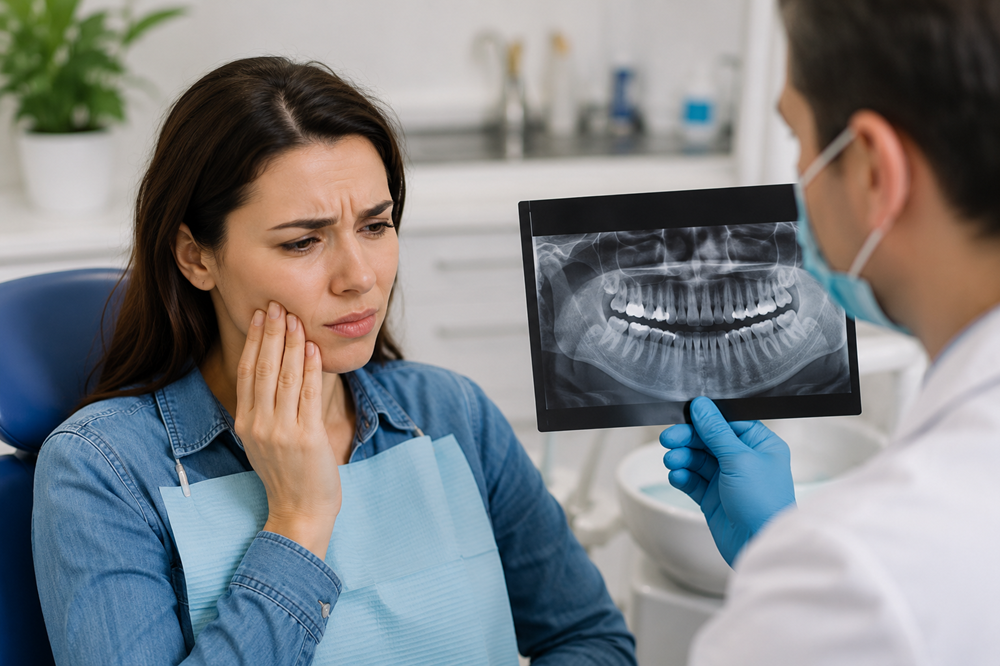
Knowing how your mouth should feel after a procedure is the first step in spotting a problem. It is normal to have some tenderness for a few days, but if the discomfort lasts for weeks, you should contact a professional. Common indicators that the treatment did not work include:
- Persistent pain: A sharp or throbbing sensation that occurs when you bite down or touch the tooth.
- Swelling in the gums: Noticing a small bump or a pimple-like growth on the gums near the treated area.
- Temperature sensitivity: Feeling a lingering ache when you drink hot coffee or cold water.
- Discoloration: The tooth looks darker or more gray than the surrounding teeth.
- Pus or drainage: Any fluid coming from the gum area around the tooth is a clear sign of an active infection.
Why Did The Root Canal Fail?
Even with careful work, teeth have very complex structures that are sometimes hard to clean completely. Bacteria can hide in tiny side channels or extra roots that are difficult to see without advanced imaging tools. When seeking root canal treatment near you, your dentist might find that the original filling did not fully seal the tip of the root. If germs leak back into the tooth because a crown was cracked or delayed, a new infection can begin to grow. Sometimes, a tiny fracture in the root that was not visible before can also lead to failure over time.
What Are The Causes Of Reinfection?
- Complex root anatomy: Some teeth have curved or hidden canals that are very hard to reach and clean.
- Delayed restoration: Waiting too long to place a permanent crown allows saliva and bacteria to seep into the inner tooth.
- New decay: A new cavity forming on the same tooth can compromise the seal of the previous treatment.
- Trauma: A hard hit to the mouth can crack the tooth or dislodge the internal filling material.
What Are The Treatment Options?
If a procedure fails, the most common solution is a retreatment. During this visit, a dentist will carefully remove the old filling material and clean the inside of the tooth again. Special tools, including a dental microscope, are used to check for any small canals that may have been missed earlier. Once the infection is cleared, the tooth is resealed with fresh material. In some cases, a small surgical procedure called an apicoectomy is needed to remove only the very tip of the root where the germs are hiding.
How Can I Prevent Future Issues?
Maintaining a regular cleaning schedule is the most effective way to ensure your dental work stays in good shape. When you visit a dental clinic in Surrey, the team can check the seal of your crowns and look for early signs of wear. Brushing twice a day and flossing around your dental work helps keep bacteria away from the edges of your restorations. Avoiding very hard foods like ice or hard candy also prevents cracks that could lead to another infection.
Trusted Dental Care in Guildford
If you feel a tooth is not healing properly, our team will check it gently to find the cause of your discomfort. At Guildford Family Dentistry, we use modern tools to provide careful and effective treatment.
Book your appointment today to protect your smile and feel better soon.
Frequently Asked Questions
How long can a root canal last before it might fail?
A successful treatment can last a lifetime if the tooth is cared for with good brushing and flossing habits. Most failures happen within the first few years if bacteria are left behind or if the tooth was not sealed properly.
Is retreatment more painful than the first visit?
The process is very similar to the original visit and involves numbing the area so you feel no pain. Modern tools make the retreatment process smooth and comfortable for the patient.
Can a failed root canal cause health problems?
Yes, leaving an infection in your jaw can lead to swelling, bone loss, and the spread of germs to other parts of your body. It is important to fix the issue quickly to keep your entire body healthy.
What happens if the tooth cannot be saved?
If a tooth is too damaged for retreatment, the dentist may suggest removing it and placing a dental implant. This option replaces the missing root and keeps your jawbone strong and healthy.