
Dental emergencies can be stressful, painful, and sometimes even frightening. Knowing how to handle these situations can make all the difference in protecting your oral health and minimizing discomfort. Guilford Family Dentistry understands the urgency of these situations, so we offer dental emergency services and weekend dentist availability to help you when you need it most. Here’s a comprehensive guide on dealing with common dental emergencies and when to seek professional help.
1. Knocked-Out Tooth
A knocked-out tooth (avulsed tooth) is one of the most urgent dental emergencies, but acting quickly can sometimes save the tooth.
What to Do:
- Handle the Tooth Carefully: Pick it up by the crown (the top part) and avoid touching the root to prevent damage.
- Rinse Gently: If the tooth is dirty, rinse it with water, but don’t scrub or use soap.
- Try to Reinsert the Tooth: If possible, gently place the tooth back into its socket. Bite down on a piece of clean gauze to hold it in place.
- Keep the Tooth Moist: If reinserting isn’t an option, store the tooth in milk, a saline solution, or between your cheek and gums. Do not let it dry out.
- Seek Immediate Care: Contact our office right away. A knocked-out tooth has the best chance of being saved if treated within 30 minutes to an hour.
2. Severe Toothache or Pain
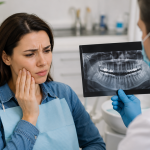
Persistent or intense tooth pain often indicates an underlying problem, such as an infection, abscess, or advanced tooth decay.
What to Do:
- Rinse Your Mouth: Use warm salt water to reduce swelling and clean the area.
- Floss Gently: Check if food or debris is stuck between your teeth and causing discomfort.
- Take Over-the-Counter Pain Relievers: Use ibuprofen or acetaminophen to manage pain, but avoid placing aspirin directly on the gums as it can burn the tissue.
- Apply a Cold Compress: Place an ice pack on the outside of your cheek to reduce swelling.
- Schedule an Appointment: Severe pain is often a sign of a serious issue. Our emergency services can provide the relief and care you need.
3. Broken, Cracked, or Chipped Tooth
Whether caused by biting into something hard or an accidental injury, a broken or cracked tooth can be painful and lead to further damage.
What to Do:
- Save Any Pieces: If possible, collect and rinse the broken pieces of your tooth.
- Rinse Your Mouth: Use warm water to clean the area and reduce the risk of infection.
- Protect Sharp Edges: Cover any jagged parts of the tooth with dental wax or sugar-free gum to prevent injury to your tongue or cheek.
- Apply a Cold Compress: This helps reduce swelling and numb the pain.
- Call Us Immediately: Our team can assess the damage and provide treatments such as bonding, crowns, or veneers to restore your smile.
4. Lost Filling or Crown
Losing a filling or crown can expose your tooth to sensitivity, pain, and further damage.
What to Do:
- Keep the Area Clean: Rinse your mouth with warm salt water.
- Preserve the Crown: If the crown is intact, clean it and try to place it back over your tooth using dental cement, which is available at most pharmacies. Avoid using glue or other adhesives.
- Manage Pain: Use over-the-counter pain relievers if necessary and avoid chewing on the affected side of your mouth.
- Seek Prompt Repair: We can replace the filling or reattach the crown to protect your tooth.
5. Dental Abscess
An abscess is a serious infection that often appears as a painful swelling or a pus-filled bump on the gums. Left untreated, it can spread to other parts of the body and cause serious health issues.
What to Do:
- Rinse with Salt Water: This helps to reduce bacteria and draw out pus.
- Do Not Ignore Symptoms: Symptoms like fever, swelling, or difficulty swallowing may indicate the infection is spreading.
- Seek Immediate Care: Dental abscesses require professional treatment, which may involve draining the abscess, antibiotics, or a root canal.
6. Soft Tissue Injuries
Cuts or injuries to the lips, gums, tongue, or cheeks can bleed profusely and be very painful.
What to Do:
- Stop the Bleeding: Use a clean gauze or cloth to apply gentle but firm pressure to the area.
- Rinse with Warm Salt Water: This cleans the area and helps to prevent infection.
- Apply a Cold Compress: Reduce swelling and numb pain by applying an ice pack wrapped in a cloth.
- Visit Us If Necessary: If the bleeding doesn’t stop after 15 minutes or the injury is severe, seek immediate care.
When to See a Dentist
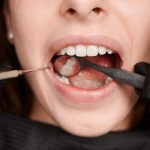
While some dental issues may seem manageable at home, you should contact a dentist as soon as possible for any of the following:
- Persistent bleeding that doesn’t stop after applying pressure.
- Pain or swelling that worsens over time.
- Damage to a tooth or dental appliance that affects your ability to eat or speak.
- Any injury that causes a loose or displaced tooth.
At Guilford Family Dentistry, we prioritize your comfort and oral health. Our emergency dental services are designed to address urgent issues promptly, including weekends when many practices are closed.
Tips to Prevent Dental Emergencies
While accidents can happen, you can take steps to reduce your risk of dental emergencies:
- Wear a Mouthguard: Protect your teeth during sports or physical activities.
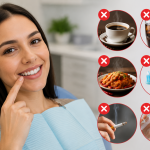
- Avoid Chewing Hard Items: Ice, popcorn kernels, and hard candy can crack or break teeth.
- Maintain Regular Dental Checkups: Routine visits help catch problems early before they become emergencies.
- Don’t Use Your Teeth as Tools: Avoid opening packages or bottles with your teeth.
Guilford Family Dentistry: Your Partner in Emergency Dental Care
Dental emergencies can be unpredictable, but Guilford Family Dentistry is here to help you through them. With our weekend availability and commitment to providing compassionate, expert care, we’re your go-to resource for all urgent dental issues.
If you have a dental emergency, don’t wait—contact us immediately. Let us help you restore your smile and peace of mind.
By knowing how to handle dental emergencies and relying on the professional services at Guilford Family Dentistry, you can navigate these challenges confidently and easily. Remember, we’re just a phone call away when you need us most.