
When a tooth has become damaged or weak, dental crowns are one of the best restoration options available. However, just like any other dental restoration, dental crowns should have proper care to ensure they last. If you have received dental crowns in Surrey or shortly plan to, knowing how to maintain them can prevent unnecessary discomfort, damage or expensive repairs.
Your crown needs extra love and attention in the first few months to help it settle and function properly. If you need help, your dental clinic in Surrey can help you with personalized aftercare instructions.
Good oral habits don’t just protect your natural teeth—they also protect your restorations. Visiting a dental clinic near you regularly allows your dentist to monitor your crown’s condition and address developing issues early.
Why Proper Dental Crown Care Matters
A well-maintained dental crown can last 10–15 years or even longer, depending on your oral hygiene and lifestyle habits. Poor habits, however, can lead to loosening, fractures, gum irritation, or decay forming underneath the crown.
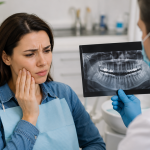
Understanding the signs of dental crown problems early helps you avoid bigger issues later. Sensitivity, discomfort when biting, gum swelling around the crowned tooth, or a feeling that the crown is loose are all red flags that something may be wrong.
Daily Care Tips to Protect Your Dental Crown
Knowing how to protect dental crowns begins with daily habits that prevent wear, plaque buildup, and damage.
Maintain Good Oral Hygiene
Even though crowns don’t decay, the tooth underneath can. This means brushing twice a day and flossing daily is essential. Use a soft-bristle toothbrush and non-abrasive toothpaste to avoid scratching the surface of your crown.
Avoiding Hard Foods with Dental Crowns
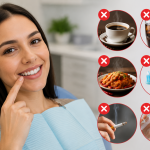
While dental crowns are strong, they aren’t indestructible. Certain foods can put too much pressure on the restoration.
Avoid chewing:
- Ice
- Hard candies
- Nuts
- Popcorn kernels
- Sticky candies like caramel or taffy
If you tend to chew on pens, nails, or other objects, breaking this habit will help extend the lifespan of your crown.
Be Cautious with Sticky Foods
Sticky foods can pull at the edges of a crown, increasing the risk of loosening. Try to limit or avoid:
- Chewing gum
- Gummy candies
- Caramels
If you do eat them, chew on the opposite side of the mouth when possible.
Recognizing Signs of Dental Crown Problems
Understanding the signs of dental crown problems can help you act quickly before the issue worsens.
Look out for:
- Pain when biting or chewing
- A sudden change in your bite
- Sensitivity to hot or cold
- Visible chips or cracks
- Gum swelling or bleeding around the crown
- A loose feeling in the crown
If you notice any of these symptoms, schedule a visit to a dental clinic near you as soon as possible.
Additional Ways to Extend the Life of Your Crown
Aside from daily brushing and mindful eating, there are a few more habits that help protect your crown long-term.
Wear a Night Guard if You Grind Your Teeth
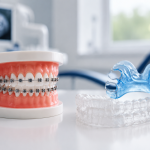
Bruxism (teeth grinding) is one of the leading causes of crown fractures. A custom night guard can protect both your natural teeth and crowns from excessive pressure.
Avoid Using Your Teeth as Tools
Never use your teeth to open packages, tear tape, or cut thread. This can place unnecessary stress on both your crown and natural teeth.
Keep Up with Regular Dental Visits
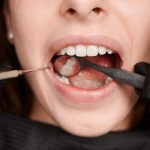
Routine checkups allow your dentist to:
- Monitor the crown’s condition
- Check for decay around the edges
- Ensure it still fits properly
- Identify early signs of gum disease
Professional cleanings also help minimize plaque buildup around the crown.
Consider a Mouthguard for Sports
If you play contact sports or activities like basketball, hockey, or martial arts, a mouthguard protects your teeth from accidental impact.
How to Protect Dental Crowns When Eating Out
Eating outside of your home can make it harder to control your food choices. To avoid unnecessary discomfort or damage:
- Choose softer food options when possible.
- Avoid biting directly into crusty bread or tough meats.
- Cut food into smaller pieces before chewing
- Be mindful of extremely hot or cold foods if your crown is new.
These simple habits help prevent accidental damage while allowing you to enjoy your meals comfortably.
Conclusion
Taking care of your dental crown doesn’t have to be complicated. With good hygiene, mindful eating habits, and regular dental checkups, you can protect your crown and maintain a healthy smile for years.
For personalized care, crown maintenance, or any dental concerns, schedule your visit with Guildford Family Dentistry today.
📍 Find us easily on the Google map and plan your visit today!