
Do you wince in pain while sipping a hot coffee or cringe when indulging in a scoop of ice cream? If so, you’re not alone. Sensitive teeth are a common dental woe that affects millions of people worldwide. Fortunately, various effective ways exist to treat and manage tooth sensitivity, providing the relief you need to enjoy your favourite foods and beverages without discomfort.
Understanding tooth sensitivity
Tooth sensitivity typically occurs when the protective layer of enamel on your teeth wears down, exposing the underlying dentin. Dentin contains microscopic tubules that lead to the nerves within the tooth. When hot, cold, sweet, or acidic substances come into contact with these exposed tubules, it triggers a sharp and often painful sensation.
Talk to your dentist
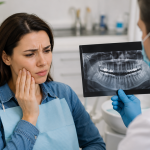
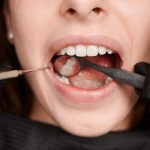
If your tooth sensitivity persists or worsens despite trying home remedies, it’s crucial to consult with a dental professional. They can identify the underlying causes of your sensitivity and recommend appropriate treatments, such as dental sealants, bonding, or, in severe cases, a root canal.
Choose the right toothpaste
Start your journey to relief by selecting a toothpaste specifically designed for sensitive teeth. These toothpaste formulas usually contain desensitizing agents like potassium nitrate or strontium chloride, which help block the tubules and alleviate sensitivity over time. Make it a habit to brush your teeth with this toothpaste twice daily for optimal results.
Use a toothbrush with soft bristles
Opt for a soft-bristle toothbrush to avoid exacerbating tooth sensitivity. Hard bristles can be abrasive, leading to further enamel erosion and increased sensitivity. Brush gently, using a circular or back-and-forth motion, and pay attention to your technique to ensure you’re not causing unnecessary wear on your enamel.
Get a fluoride treatment
Consult your dentist about professional fluoride treatments. Fluoride strengthens tooth enamel, making it more resistant to acid and less prone to sensitivity. In-office treatments and at-home fluoride products recommended by your dentist can be beneficial in managing tooth sensitivity.
Practice good oral hygiene
Maintaining good oral hygiene is crucial for preventing and managing tooth sensitivity. Regular brushing, flossing, and rinsing with an alcohol-free mouthwash help keep your teeth and gums healthy, reducing the risk of decay and gum recession that can contribute to sensitivity.
Watch your diet
Limit your intake of acidic foods and beverages, as they can erode tooth enamel and exacerbate sensitivity. Citrus fruits, sodas, and certain candies are acidic culprits that can contribute to enamel erosion. Opt for a well-balanced diet rich in calcium and vitamin D to promote overall dental health.
Use a night guard for teeth-grinding
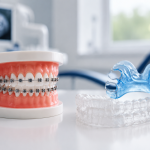
If you grind your teeth at night, consider using a night guard. Teeth grinding, also known as bruxism, can wear down enamel over time, increasing tooth sensitivity. A custom-fit night guard helps protect your teeth from the detrimental effects of grinding, reducing sensitivity.
Treating sensitive teeth involves a combination of at-home care and professional intervention. By adopting good oral hygiene practices, making wise dietary choices, and consulting with your dentist, you can relieve tooth sensitivity and regain the ability to savour your favourite foods and drinks without discomfort. Consistency is key, so commit to a dental care routine that works for you and consult your dentist regularly for personalized guidance on managing sensitive teeth.
If you’re experiencing tooth sensitivity, don’t let it impact your quality of life. Guildford Family Dentistry can help identify the underlying cause and recommend appropriate treatments. Book an appointment with us today to schedule an appointment and get the relief you need.