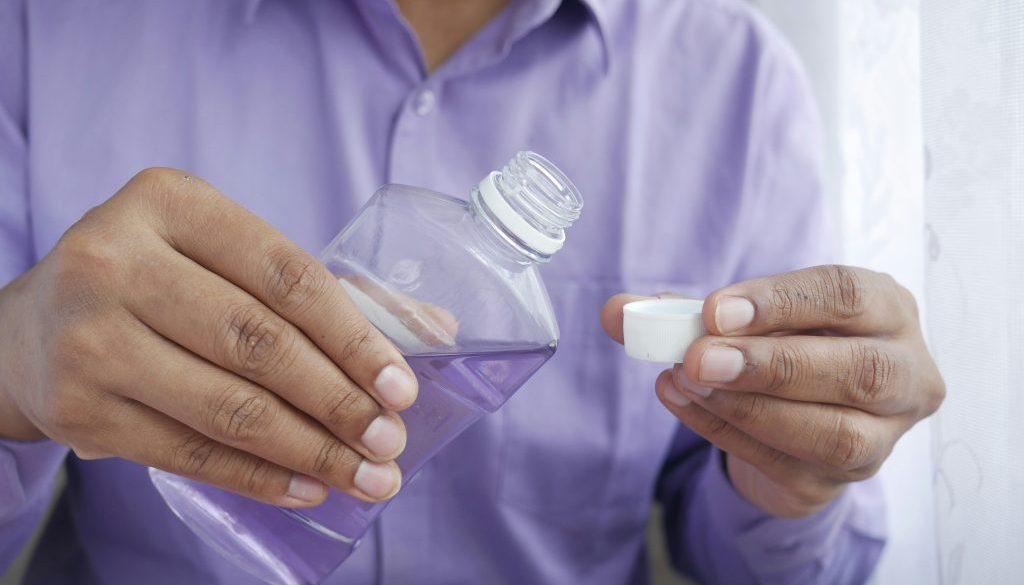
Mouthwash is a staple in many people’s oral hygiene routines, offering that clean, refreshing feeling after brushing and flossing. One key ingredient in many traditional mouthwashes is alcohol, specifically ethanol. But is alcohol in mouthwash good or bad for your oral health? It’s a question many patients ask at Guilford Family Dentistry, and the answer isn’t as straightforward as you might think.
While alcohol-based mouthwashes have been popular for decades due to their germ-killing and refreshing qualities, they have sparked debate in recent years. Some people swear by them, while others prefer alcohol-free alternatives. To help you make an informed decision, let’s explore the pros and cons of alcohol in mouthwash, its effects on oral health, and how to choose the best mouthwash for your needs.
The Role of Alcohol in Mouthwash
The alcohol used in mouthwash is typically ethanol, the same type found in alcoholic beverages. However, it serves a different purpose when added to oral rinses. Alcohol in mouthwash acts as a solvent, helping to dissolve essential oils and active ingredients and ensuring they mix well for effectiveness. Additionally, alcohol has antibacterial properties, which help reduce oral bacteria and prevent plaque buildup.
The sensation of alcohol in mouthwash—that burning or tingling feeling—is often associated with cleanliness. However, it’s important to look beyond this perception and understand the actual benefits and potential drawbacks of alcohol-based mouthwashes.
Pros of Alcohol-Based Mouthwash
1. Kills Bacteria Effectively
Alcohol has proven antimicrobial properties, which make it effective at killing bacteria in the mouth. By reducing harmful bacteria, mouthwash can help:
- Prevent plaque buildup
- Reduce the risk of gum disease (gingivitis)
- Minimize bad breath (halitosis)
For individuals prone to bacterial infections or gum inflammation, an alcohol-based mouthwash can serve as an additional defense against oral health issues.
2. It Provides a Fresh and Clean Feeling
The burning sensation caused by alcohol is often associated with deep cleaning. Many people feel their mouths are cleaner after rinsing with alcohol-based mouthwash because it leaves a strong, fresh taste and eliminates lingering food particles or odours.
3. Helps Mix Active Ingredients
Alcohol acts as a solvent, helping to dissolve ingredients such as essential oils (e.g., menthol, eucalyptol, thymol) and distribute them evenly throughout the rinse. This enhances the effectiveness of mouthwash, ensuring consistent results.
Cons of Alcohol-Based Mouthwash
While alcohol-based mouthwashes offer clear benefits, they also come with some potential drawbacks that may make them unsuitable for certain individuals.
1. Dry Mouth (Xerostomia)
One of the most significant concerns with alcohol-based mouthwashes is their ability to cause or worsen dry mouth. Alcohol is a drying agent, and frequent use can reduce saliva production. Saliva is essential for maintaining oral health because it:
- Neutralizes acids in the mouth
- Washes away food particles
- Prevents tooth decay and gum disease
For people already prone to dry mouth—such as those taking certain medications, individuals with diabetes, or older adults—using alcohol-based mouthwash can exacerbate the problem and lead to more oral health issues.
2. Irritation to Sensitive Mouths
The burning or stinging sensation caused by alcohol can be uncomfortable or even painful for individuals with sensitive gums, mouth sores, or other oral conditions. Alcohol can irritate the soft tissues in the mouth, making it unsuitable for people recovering from dental surgery or undergoing treatments like chemotherapy.
3. Potential Risks for Children and Individuals with Addiction Concerns
Alcohol-based mouthwashes are not recommended for children under 12 years of age, as they can be accidentally swallowed, leading to alcohol toxicity. Even for adults, alcohol-based rinses can pose a risk for individuals recovering from alcohol addiction. If you or someone in your household is in recovery, choosing an alcohol-free mouthwash is a safer option.
4. May Mask, Not Solve, Oral Health Issues
While alcohol-based mouthwashes are effective at temporarily eliminating bad breath, they may not address the underlying cause. Persistent bad breath can indicate gum disease, tooth decay, or other dental problems that require professional treatment. Relying solely on mouthwash to address these issues can ensure proper care is maintained.
Alcohol-Free Mouthwash: A Safer Alternative?
Alcohol-free mouthwashes have grown in popularity as more people become aware of the potential downsides of alcohol-based rinses. These alternatives offer many of the same benefits, including:
- Killing bacteria
- Freshening breath
- Preventing gum disease
However, they achieve these results without causing dryness or irritation. Instead of alcohol, these mouthwashes often rely on active ingredients such as:
- Chlorhexidine: A powerful antibacterial agent that helps fight gum disease
- Cetylpyridinium chloride (CPC): An antimicrobial compound that reduces plaque and bacteria
- Fluoride: Strengthens enamel and prevents tooth decay
Alcohol-free mouthwashes also contain hydrating ingredients like aloe vera or xylitol, which help soothe and protect the mouth while maintaining moisture.
Who Should Avoid Alcohol-Based Mouthwash?
While alcohol-based mouthwash may be suitable for some people, certain groups are better off choosing alcohol-free alternatives. These include:
- Individuals with dry mouth
- People with sensitive gums or oral tissues
- Those recovering from dental surgery
- Children under 12 years old
- People in alcohol recovery programs
If you’re unsure which type of mouthwash is best for you, speak with your dentist. At Guilford Family Dentistry, we can help assess your oral health needs and recommend the most effective and comfortable solution.
How to Choose the Right Mouthwash
When selecting a mouthwash, consider the following factors:
- Purpose: Are you using mouthwash for fresh breath, gum disease prevention, or cavity protection? Choose a formula that targets your specific needs.
- Ingredients: Check the label for active ingredients like fluoride, CPC, or chlorhexidine. If you prefer alcohol-free options, look for products labelled as such.
- Sensitivity: If you have sensitive teeth or gums, choose alcohol-free mouthwash with soothing ingredients.
- Dental Recommendations: Your dentist can recommend the best mouthwash based on oral health and ongoing treatments.
Is Alcohol in Mouthwash Good or Bad?
The answer depends on your individual oral health needs and preferences. Alcohol-based mouthwashes can effectively kill bacteria, reduce plaque, and freshen breath. However, they may cause dryness, irritation, or other issues for people with sensitive mouths or certain medical conditions.
Alcohol-free mouthwashes offer many individuals a gentler and equally effective alternative without the potential downsides. If you’re unsure which type of mouthwash is right for you, consult with the team at Guilford Family Dentistry. We’re here to help you make the best choices for your oral health and maintain a confident, healthy smile.
Remember, mouthwash is just one part of a complete oral care routine. Brushing twice daily, flossing regularly, and visiting your dentist for checkups are essential to achieving optimal oral health. Whether you prefer alcohol-based or alcohol-free mouthwash, consistency and proper technique are key to reaping the benefits.