Oral health is a crucial aspect of overall well-being, yet many overlook the potential risks of oral cancers. One of the critical tools in preventive healthcare is oral cancer screening.
What is Oral Cancer?
Oral cancer refers to the abnormal growth of cells in the oral cavity, including the lips, tongue, gums, and mouth lining. It is a serious medical condition that can affect anyone, regardless of age or lifestyle. The early stages of oral cancer often show minimal symptoms, making it imperative to undergo regular screenings for early detection.
What is an Oral Cancer Screening?
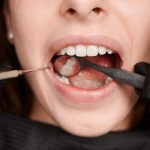
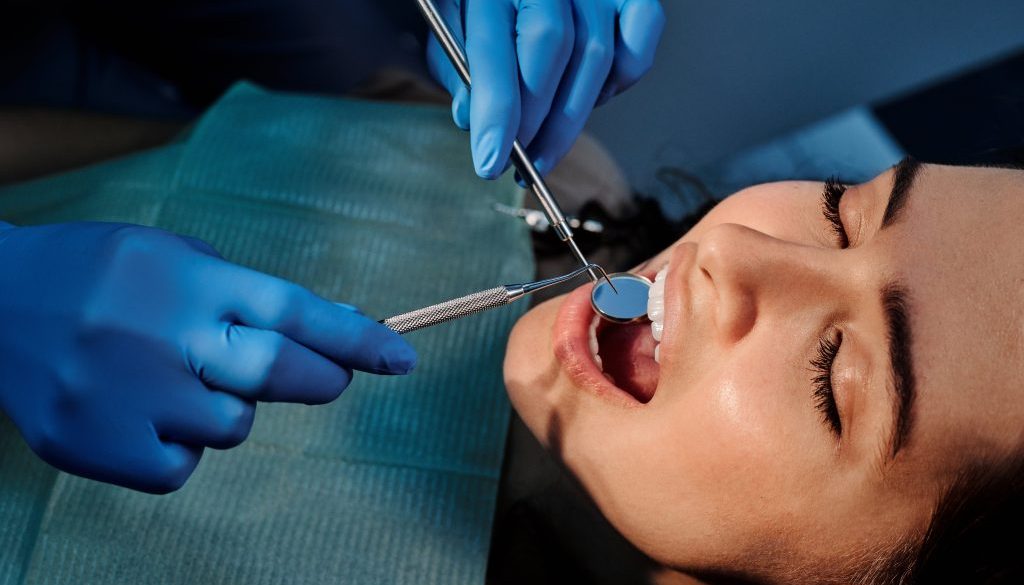
Oral cancer screening is a painless examination performed by a dentist or oral health professional to identify signs of cancer or precancerous conditions in the mouth. The screening process involves a visual and physical examination of the oral cavity, including the lips, gums, tongue, and the inside of the cheeks. Some screenings may include advanced diagnostic tools such as specialized lights or dyes highlighting abnormal cells.
The Importance of Oral Cancer Screenings
Early Detection Saves Lives
Early detection is crucial in the successful treatment of oral cancer. Regular screenings can help identify abnormalities in the oral tissues before they develop into cancerous cells, significantly improving the chances of successful treatment and survival.
Risk Factors and Prevalence
Certain lifestyle choices and risk factors increase the likelihood of developing oral cancer. These include tobacco use, excessive alcohol consumption, prolonged sun exposure, and the human papillomavirus (HPV). Individuals with one or more of these risk factors should be particularly vigilant and undergo regular screenings.
Painless and Quick Procedure
Oral cancer screenings are non-invasive and typically take only a few minutes during a routine dental check-up. The simplicity and speed of the procedure make it an easily accessible and valuable tool for preventive healthcare.
Promoting Oral Health Awareness
By incorporating oral cancer screenings into routine dental visits, individuals become more aware of the potential risks and the importance of maintaining good oral health. This increased awareness can lead to early intervention and lifestyle changes that reduce the risk of developing oral cancers.
Who Should Undergo Oral Cancer Screening?
While everyone can benefit from regular oral cancer screenings, certain individuals are at a higher risk and should be particularly proactive in seeking this preventive measure. High-risk groups include:
Tobacco users
Smokers and users of smokeless tobacco have a significantly higher risk of developing oral cancers. Regular screenings are essential for early detection in this population.
Heavy alcohol consumers
Excessive alcohol consumption is another major risk factor for oral cancer. Individuals who consume alcohol regularly and in large quantities should prioritize oral cancer screenings.
If you have an HPV infection
Certain strains of HPV (human papillomavirus) have been linked to an increased risk of oral cancer. Those with a history of HPV infection should discuss the necessity of oral cancer screenings with their healthcare provider.
If you have a previous oral cancer diagnosis
Individuals who have previously been diagnosed with oral cancer should undergo regular screenings to monitor for recurrence or new developments.
An oral cancer screening is a vital component of preventive healthcare that can save lives through early detection. By understanding what oral cancer screening entails and recognizing its importance, individuals can take proactive steps to protect their oral health. Regular dental check-ups, coupled with open communication with healthcare providers about lifestyle choices and risk factors, can contribute to the early identification of potential issues and, ultimately, improve overall well-being. If you have questions or concerns about oral cancer, book an appointment with us.